
Ground Source Heat Pumps
A ground source heat pump is a renewable heating system that extracts low-temperature solar energy stored in the ground or water using buried pipework and compresses this energy into a higher temperature. A ground source heat pump provides a building with 100% of its heating and hot water all year round.
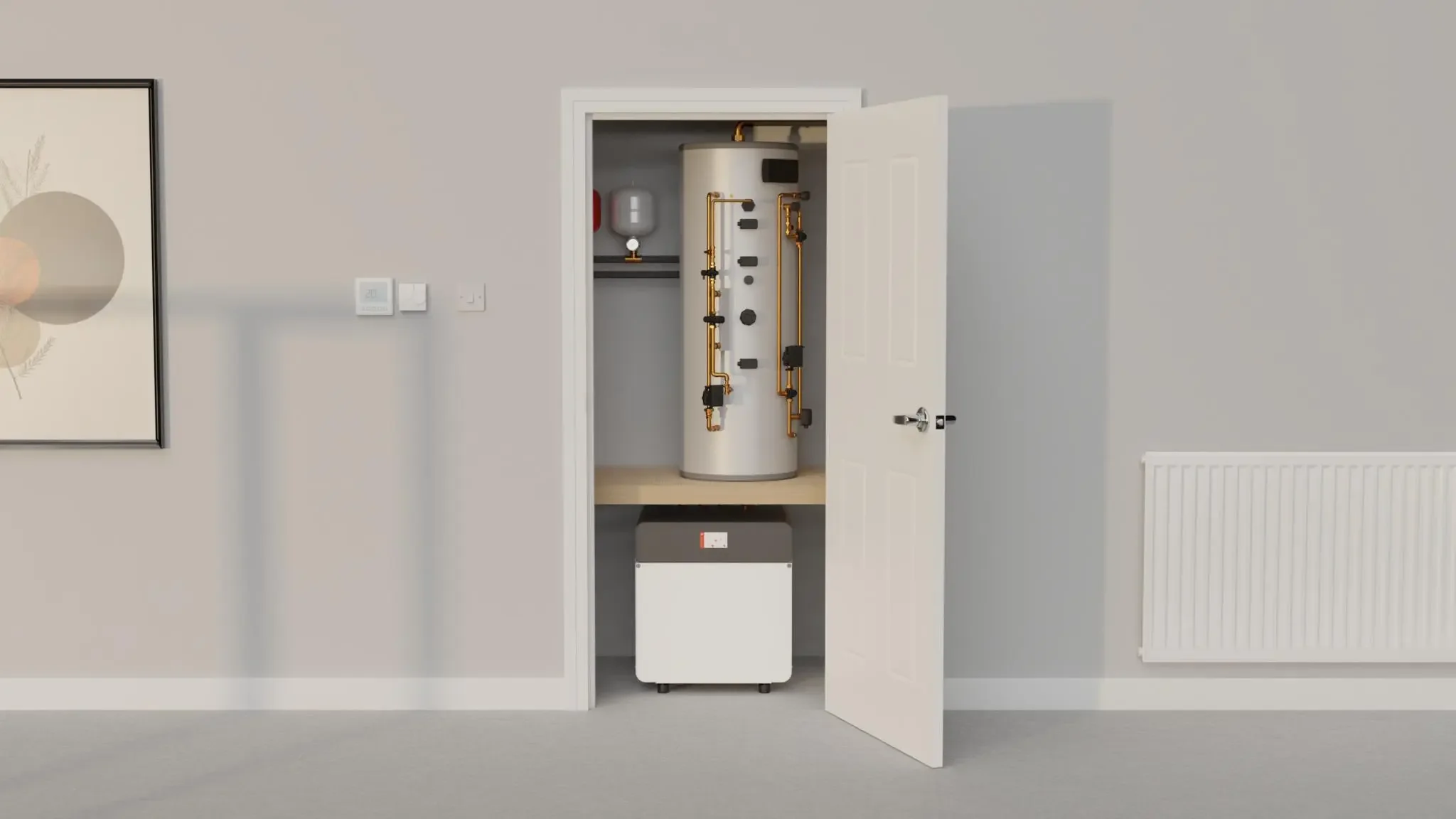
-
A GSHP is a heating and cooling system that uses the stable temperature of the ground to efficiently regulate indoor climate.
-
GSHPs are highly energy-efficient, environmentally friendly, and can lower energy bills. They also have a long lifespan.
-
Savings can vary, but GSHPs can reduce energy bills by up to 50% compared to traditional heating and cooling systems.
-
Yes, GSHPs produce fewer greenhouse gas emissions and have a lower environmental impact compared to conventional systems.
-
Installation costs can vary, but GSHPs may have a higher upfront cost. However, long-term energy savings can offset this.
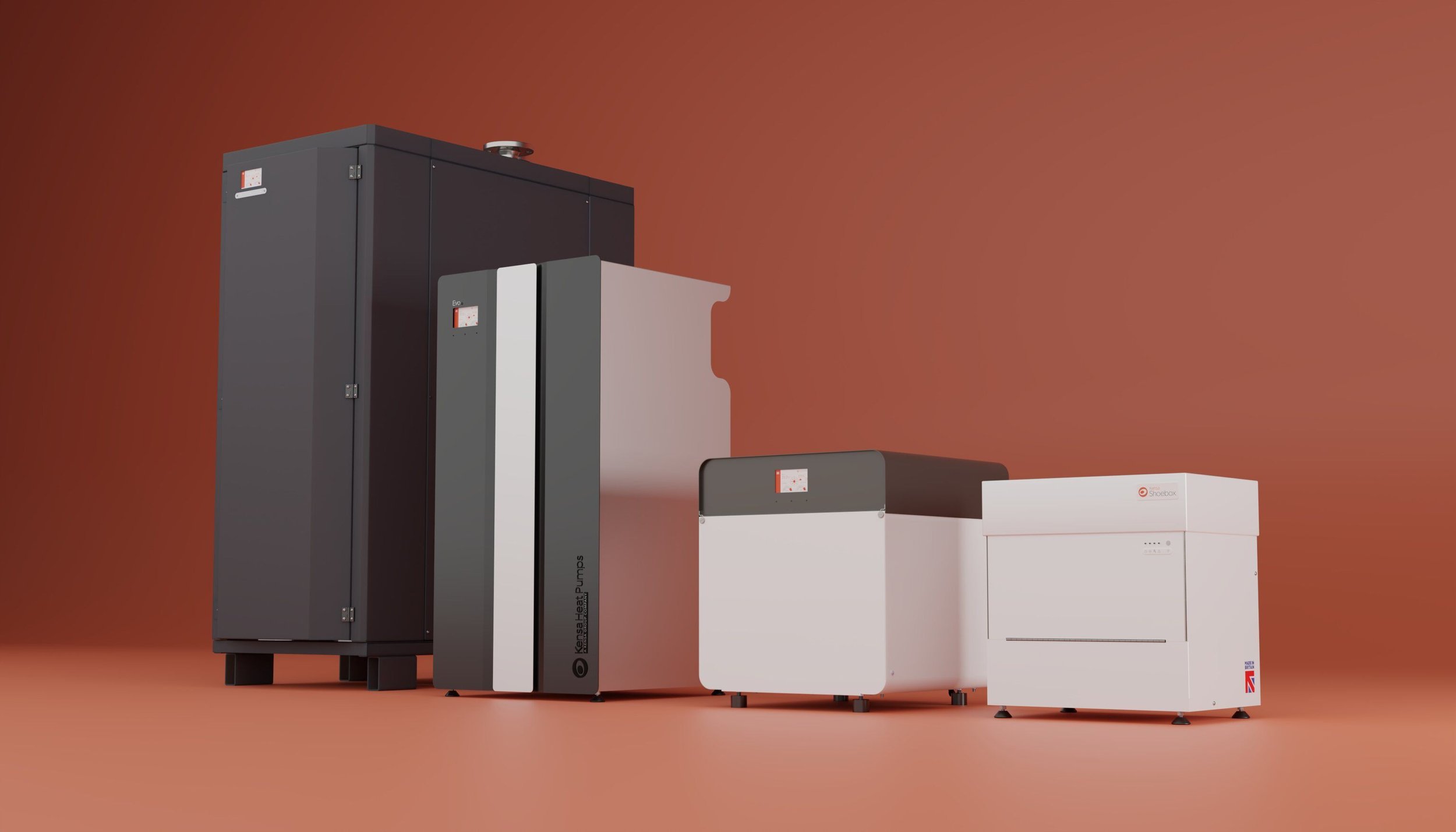
About Ground Source Heat Pumps
A ground source heat pump (GSHP), also known as a geothermal heat pump, is a highly efficient renewable energy system that provides heating and cooling for buildings by transferring heat to or from the earth.
It doesn't create heat by burning fuel; instead, it uses a small amount of electricity to move heat that is naturally stored in the ground or a nearby water source. This system takes advantage of the fact that the temperature of the ground a few meters below the surface remains relatively constant year-round (typically between 8 - 12 degrees).